victoria
Classroom Activity: Paper Plate Animal Masks
Grade Level: Pre-K–2
Subject Areas: Art, Literacy, Fine Motor Skills
Time Needed: 45–60 minutes
Photo 1: Students’ completed animal masks displayed on a bulletin board
Photo 2: Materials laid out on tables before the lesson
Photo 3: Students cutting, gluing, and decorating masks
Photo 4: A student wearing their mask during dramatic play
Activity Description
This paper plate animal mask activity combines creativity, storytelling, and fine motor practice. Students create their own animal masks using simple craft materials and then use them for dramatic play or storytelling. The lesson encourages imagination, supports language development, and strengthens hand-eye coordination.
Materials Needed
Paper plates (one per student)
Construction paper
Child-safe scissors
Glue sticks
Markers or crayons
Yarn or elastic string
Hole punch
Optional: feathers, pom-poms, stickers, googly eyes
Photo 2 fits well here to show materials clearly laid out for easy prep.
Step-by-Step Instructions
Introduction (5–10 minutes)
Begin by showing pictures of different animals and discussing their features (ears, noses, whiskers, colors). Ask students which animal they would like to be and why. This builds excitement and activates prior knowledge.
Base Mask Preparation (5 minutes)
Give each student a paper plate. Pre-cut eye holes for younger students if needed. Older students can carefully cut their own with supervision.
Creating Animal Features (15–20 minutes)
Students use construction paper to cut out ears, noses, beaks, or other animal features. Encourage them to glue pieces onto the paper plate. Markers or crayons can be used to add details like fur patterns or whiskers.
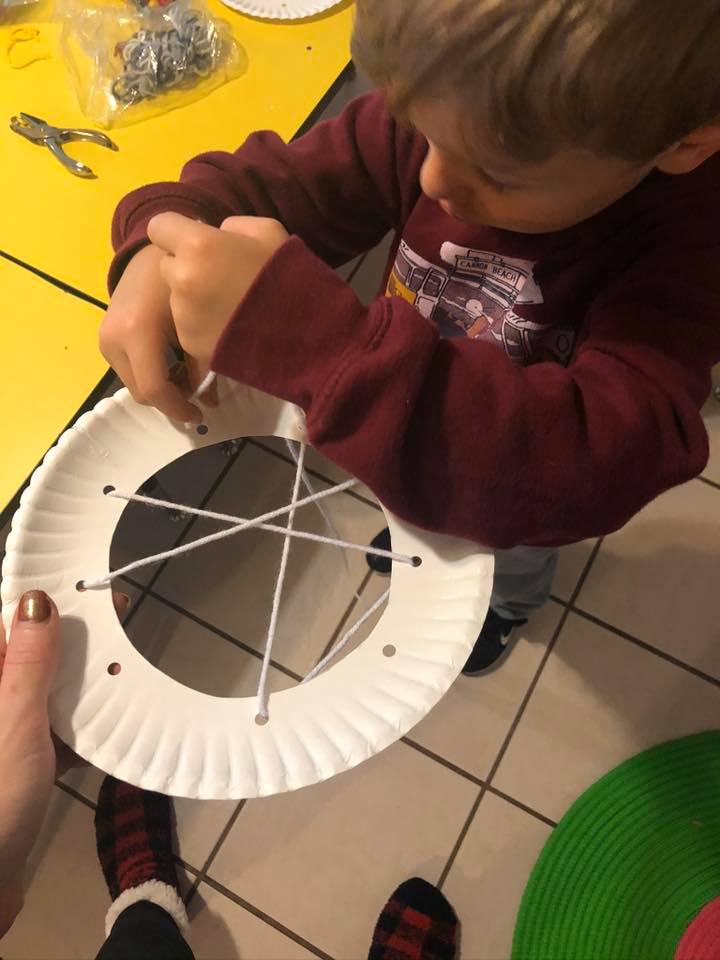
Photo 3: Capture students actively working—cutting, gluing, and decorating.
Adding Straps (5 minutes)
Punch a hole on each side of the plate and tie yarn or elastic so the mask can be worn. Assist students as needed.
Sharing and Play (10–15 minutes)
Once masks are finished, invite students to wear them and act like their animals. You can extend the lesson by having students describe their animal, make animal sounds, or participate in a short storytelling circle.
Photo 4: Show a student or group of students wearing masks during play.
Learning Outcomes
Develop fine motor skills through cutting and gluing
Encourage creativity and self-expression
Build vocabulary and oral language skills
Promote social interaction and imaginative play
Extensions and Modifications
Connect to a literacy unit by reading an animal story beforehand
Older students can write a sentence or short paragraph about their animal
Use recycled materials for an eco-friendly version
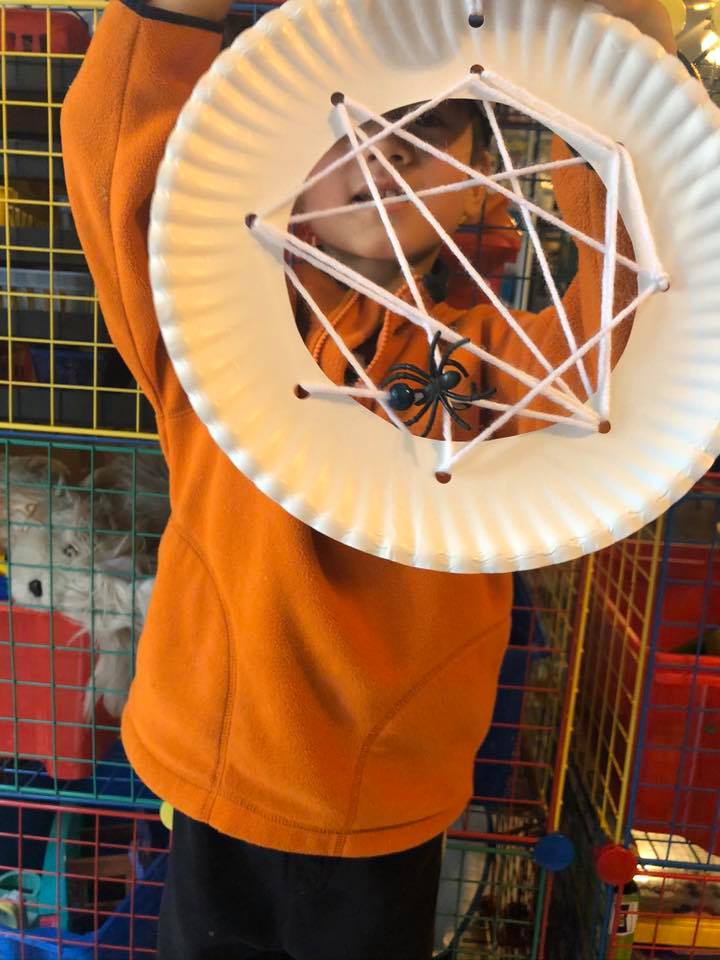
Photo 1: Final display of masks reinforces student pride and classroom community.